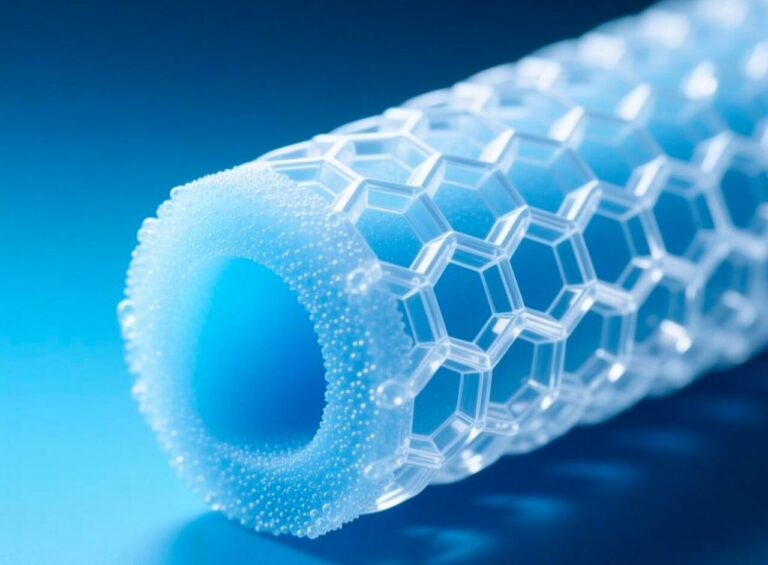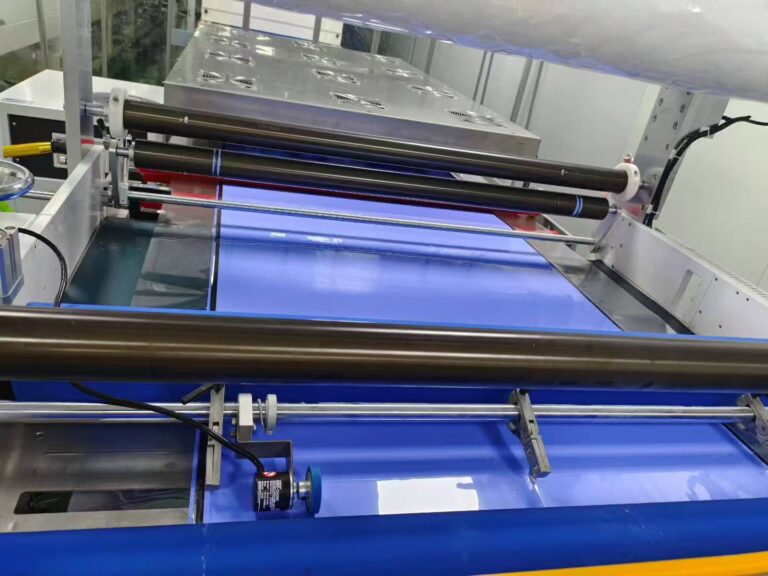
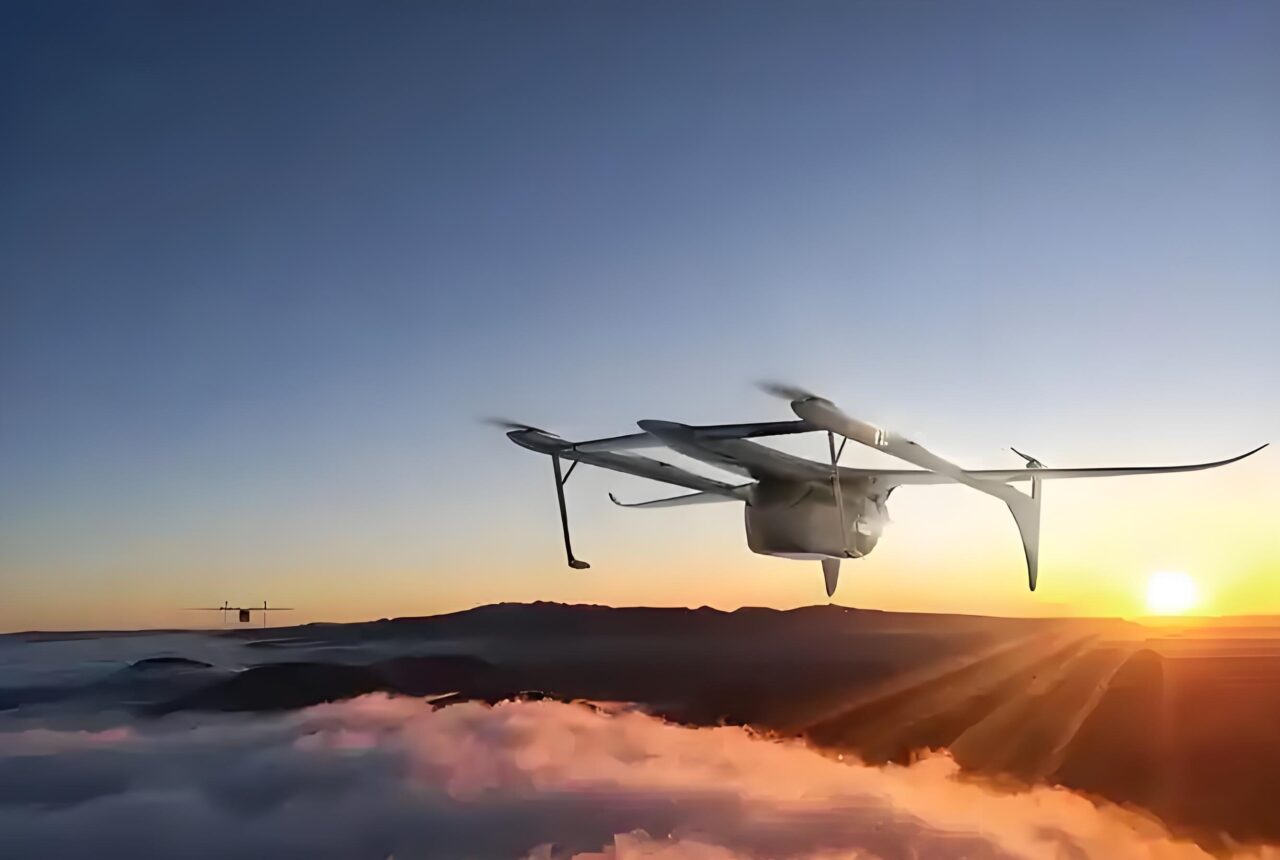
Introduction: A catty of foam is worth far more than a catty of steel? In the field of low altitude flight, this seemingly incredible proposition is becoming a reality. When you open a express package and throw the white foam filler into the trash can, you probably don’t think that this seemingly ordinary material is becoming the key driver of low altitude economic takeoff. Foam materials, with their unique characteristics of lightweight, high strength, weather resistance, thermal insulation, flame retardancy, and design flexibility, are no longer simply “fillers” in the manufacturing of low altitude aircraft such as drones and eVTOLs (electric vertical takeoff and landing vehicles), but have transformed into one of the key materials related to flight performance, safety, and cost.
Let me first clarify for you which components of these aircraft foam materials have specific applications and the value they bring.
| Application field | Main types of foam materials | function and value | Typical products/cases |
| Body structure and skin | PMI foam, PVC structural foam, PET foam, EPS foam, composite foam core | As the core material of carbon fiber composite materials, it achieves ultimate lightweighting, improves strength to weight ratio, and is used for wings, fuselage, tail fins, etc | Dajiang UAV wing, eVTOL fuselage, Depu PMI foam |
| power system | Polyurethane foam adhesive, silicone foam adhesive | Filling, fixing, and buffering of battery packs, sealing of electronic control systems, providing seismic, thermal insulation, and flame retardant protection | Depu Technology eVTOL Battery System Solution |
| Blades and rotors | High performance foam core materials (such as PMI, PVC, etc.) | As the core material of composite blade, integrated molding reduces weight, enhances aeroelastic stability, and prevents vibration | Ingenuity propellers for Mars drones, Cobra Vetal drones |
| Sealing and insulation | Silicone foam material, flame retardant foam, phenolic foam plastic board | Ultra thin sealing gasket, thermal insulation pad, fire barrier, meeting V-0 flame retardant requirements and compensating for tolerances | Depu Technology’s ultra-thin and high flame retardant silicone foam, Depu Technology’s fireproof adhesive and fireproof coating |
| Other special functions | Wave absorbing foam (EPMI), magnetic foam and other functional foaming materials | Used for specific functional scenarios such as stealth design, electromagnetic shielding, antenna covers, etc | Depu Technology Wave Absorbing foam (EPMI) |
01 Weight dilemma, the ‘Achilles heel’ of low altitude flight
Why is lightweighting so important? The answer is hidden in the fundamental laws of physics. For low altitude aircraft, weight directly determines endurance, payload capacity, and operating costs.
EVTOL’s technology once shared a set of key data: for every 1 kilogram of weight reduction in an aircraft, it can save about 3000 kWh of electricity throughout the year. This means that a 100 kilogram lighter aircraft can save 300000 kWh of electricity per year, equivalent to 150 years of electricity consumption for an average household.
The economic benefits of weight loss are evident. But traditional metal materials have reached their limit in weight loss, and a new solution is needed, which is the moment when foam materials appear.
02 Material transformation, from “packaging filling” to “structural mainstay”
The application of foaming materials in the low altitude flight industry has experienced the evolution from supporting role to leading role. At first, it was only used as a simple filler and cushioning material, but now it has developed into the “bones” and “muscles” of aircraft.
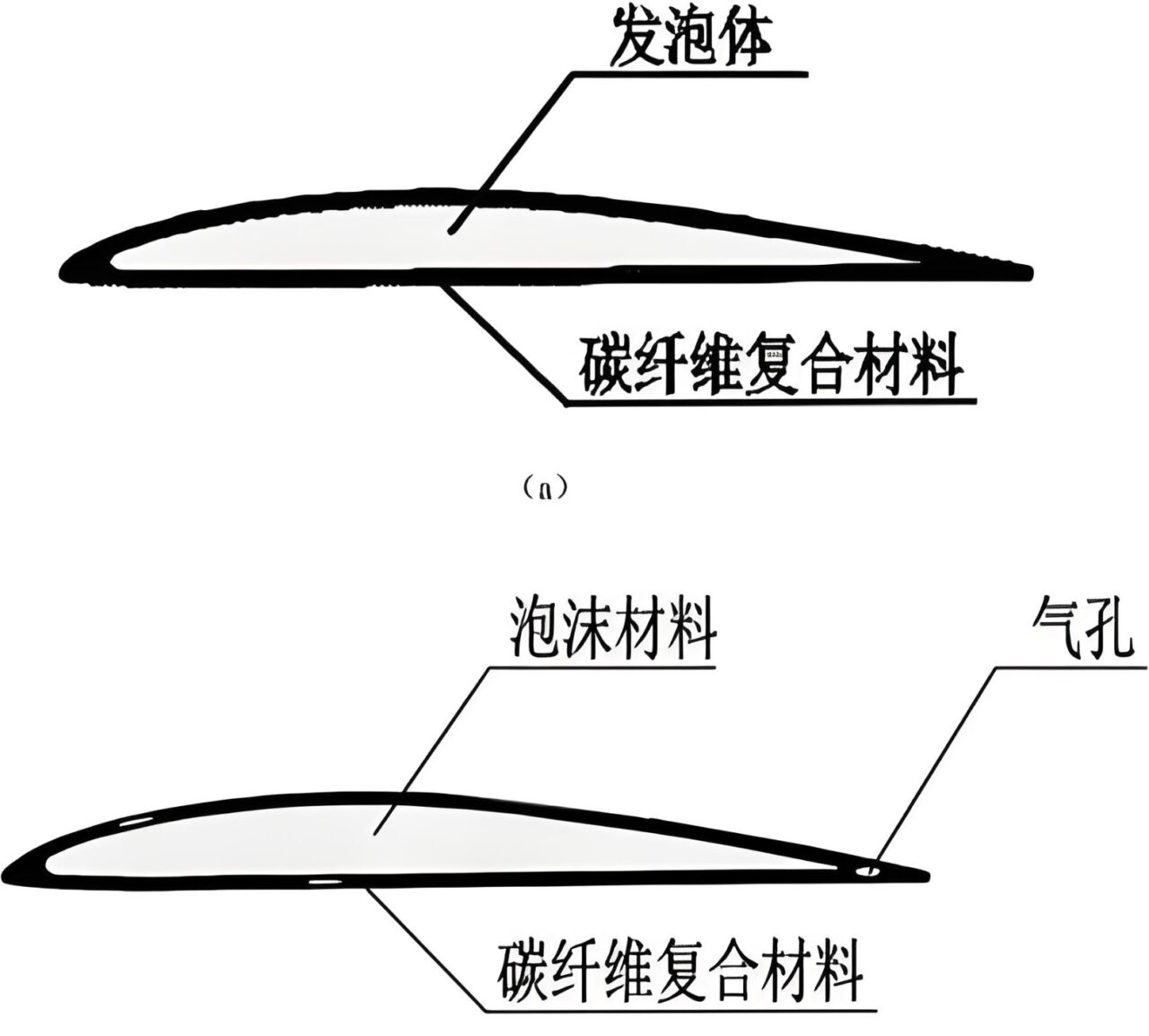
In high-end drones and eVTOLs, foam materials become the main load-bearing components in the form of composite sandwich structures. This “composite material+foam” integrated molding technology is currently one of the most mainstream innovative directions. For example, in the patents applied by Depoo Technology, it is mentioned that the foam core material and carbon fiber prepreg are used together through a one-time hot curing molding process to manufacture drone blades. This method eliminates the use of adhesives, avoids the risks of delamination and warping, significantly improves the structural integrity and reliability of the product, and simplifies the production process.
This “sandwich” structure not only achieves ultimate lightweight while ensuring strength, but also brings excellent vibration resistance and design freedom. Whether it’s streamlined wings or complex curved bodies, foam core materials can be perfectly adapted through precision machining.
03 Application innovation, delving into the “five organs and six viscera” of aircraft
The application of foam materials has penetrated into various key parts of low altitude aircraft.
Airframe and wing: high-performance PMI (polymethylmethacrylate imide) foam is used as the core material, and together with carbon fiber prepreg, it is formed by one-time thermal curing through the molding process to produce structural parts that are 30% lighter than aluminum and have higher strength. Domestic enterprises such as Depoo Technology’s products have entered mainstream drone supply chains such as DJI.
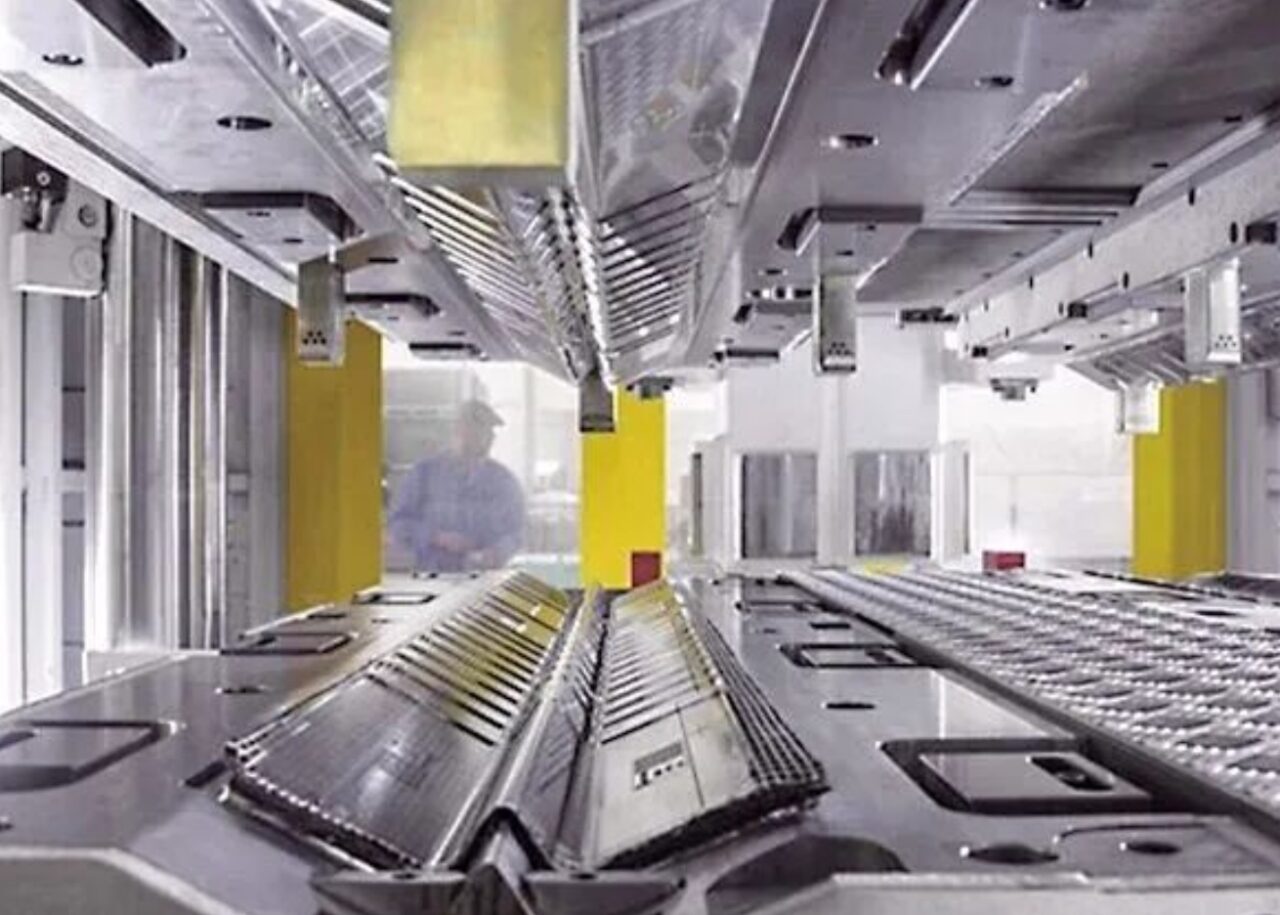
Power battery system: Polyurethane and silicone foam adhesive are used for filling, fixing, and buffering battery packs, providing triple protection – earthquake resistance, thermal insulation, and flame retardancy. Depoo Technology and other companies have launched foam solutions specifically for eVTOL battery systems.
Rotor and blade: The integrated blade formed by the co curing of foam core material and carbon fiber skin is not only lightweight, but also has better aerodynamic stability, which can effectively prevent vibration problems during high-speed rotation.
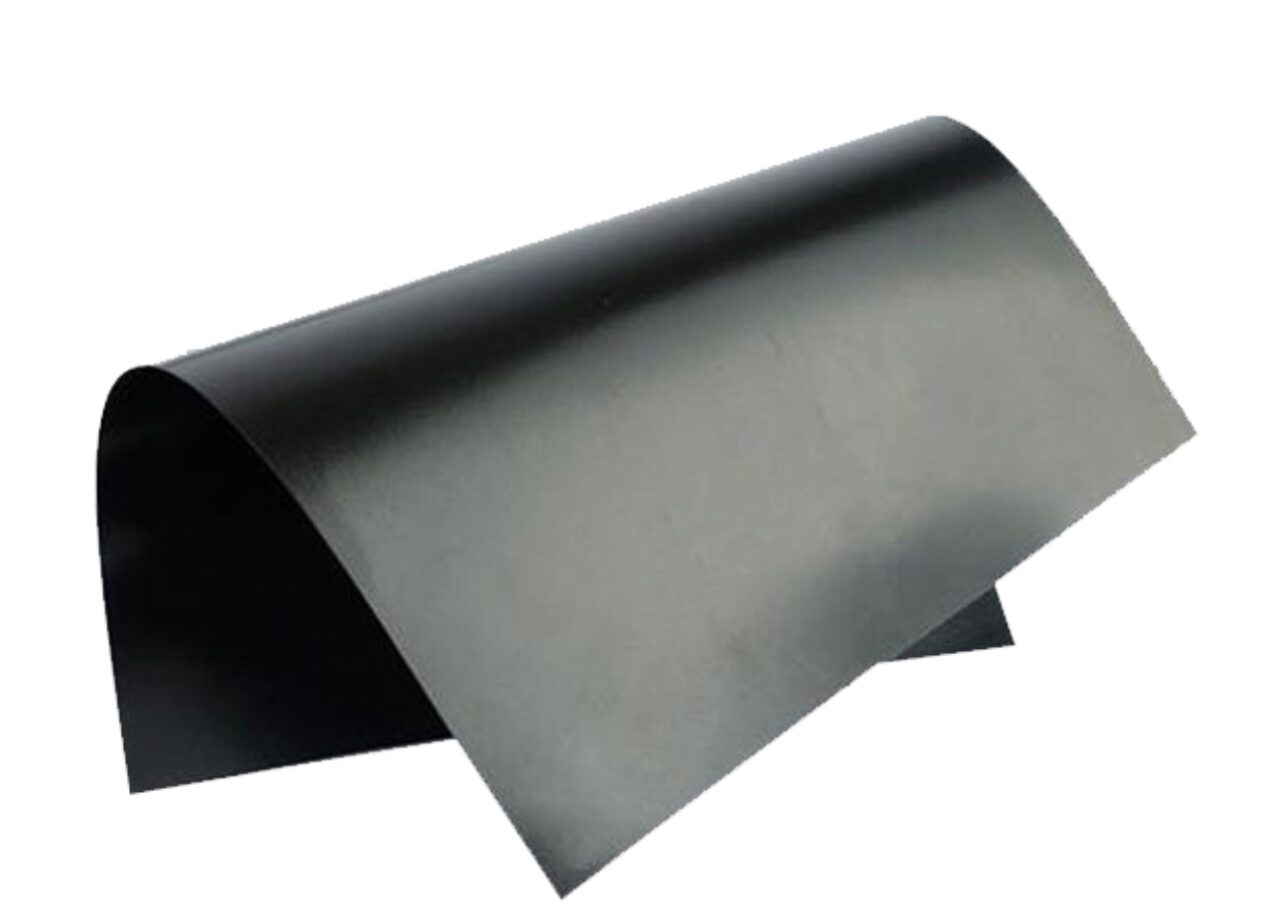
Sealing and insulation: Ultra lightweight silicone foam materials (such as Depoo Technology’s 0.6mm V-0 grade flame-retardant foam) are used for sealing and fire barriers in aircraft, ensuring safety performance even under extreme weight control requirements.
04 Technological breakthrough, the “breakthrough path” of domestic materials
There are extremely high technical barriers in the research and production of high-performance foam materials. Taking PMI foam as an example, the fluctuation of water temperature in the polymerization and curing process during the production process should be strictly controlled within a very narrow range of 0.2 ℃, otherwise the performance will be unstable.
In the past, this type of material was almost monopolized by international giants such as Germany’s Evonik. In recent years, domestic enterprises represented by Shenzhen Depoo Technology have successfully achieved technological breakthroughs and domestic substitution through independent innovation.
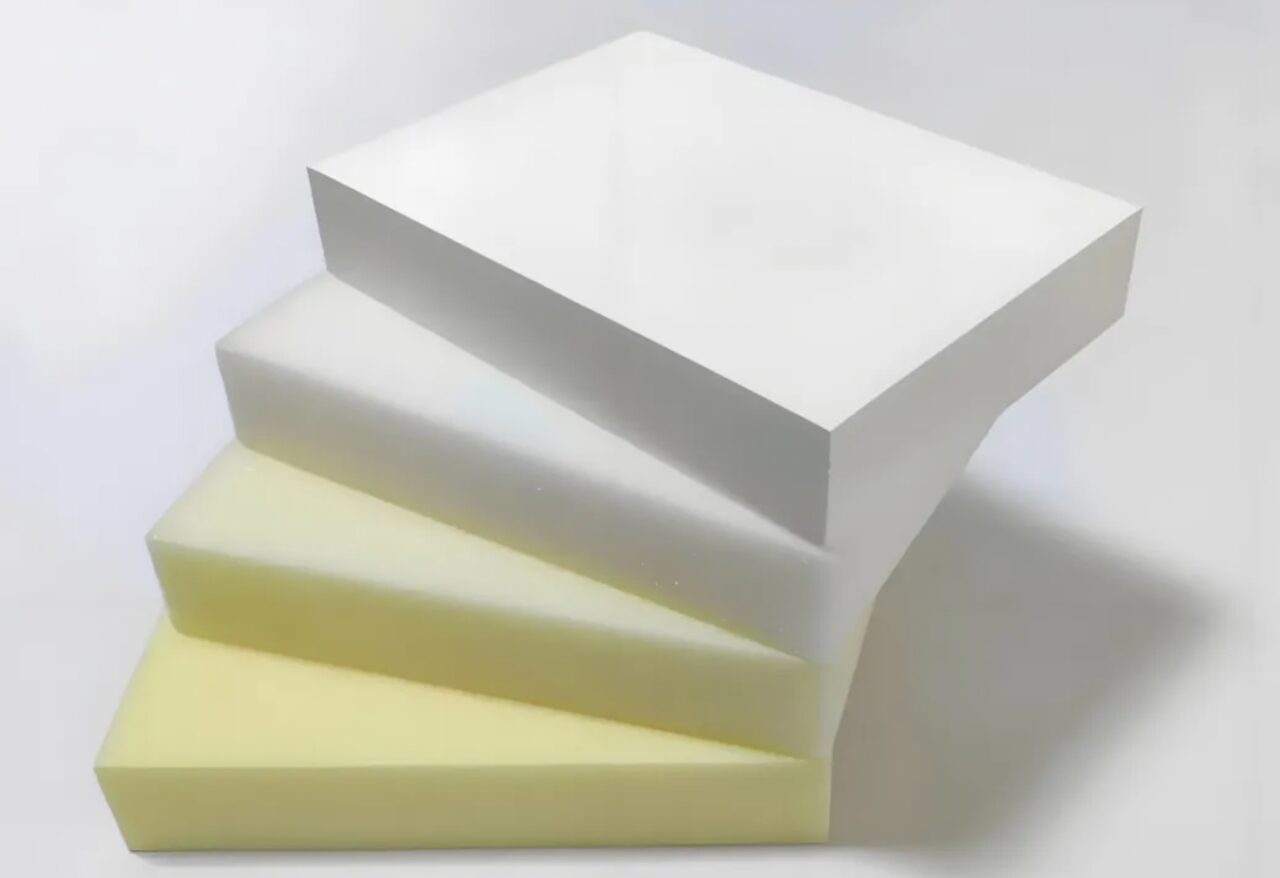
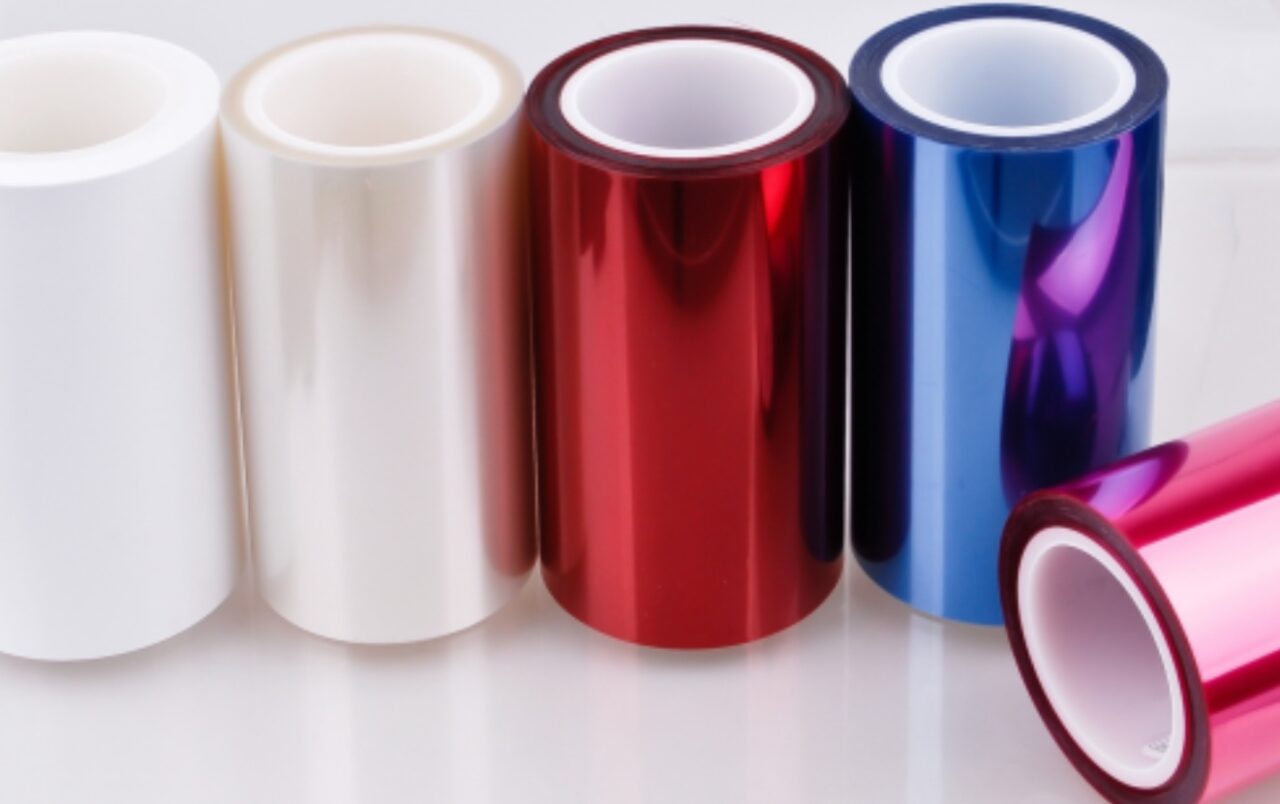
The domestic PMI foam not only has the performance reached the international advanced level, but also has lower cost, which provides an important support for the large-scale commercialization of the low altitude flight industry. The coordinated development of the upstream and downstream of the industrial chain, such as Depu Technology’s development of a dual track release film solution specifically for foam silicone production, has solved the quality pain points in the production process.
05 How can small materials leverage the large market with industrial leverage?
Although foam materials only account for a small part of the cost of low altitude aircraft, they exert a lever effect of “four or two to pull a thousand pounds”.
Performance leverage: The lightweight effect brought by foam materials directly improves the endurance and load-bearing capacity of aircraft, expanding application scenarios and market space.
Cost leverage: Material weight reduction reduces energy consumption and operating costs, making commercialization of low altitude transportation more economically feasible.
Innovation leverage: The design freedom provided by foam materials has stimulated innovation in aircraft design, driving the industry into a virtuous cycle of development.
According to Morgan Stanley’s forecast, the global urban air traffic market is expected to reach a size of $1 trillion by 2040. Foam materials, as one of the key materials to achieve this vision, have broad market prospects.
06 Future Challenge, the ‘Next Stop’ of Material Evolution
Although foam materials have broad application prospects in the field of low altitude flight, they still face a series of challenges.
Breakthrough in performance limits: Developing foam materials with lower density and higher specific strength/stiffness is still the industry’s pursuit goal.
Multi functional integration: Future foam materials need to integrate more functions, such as structural health monitoring, self-healing, electromagnetic shielding, etc., to achieve “one material for multiple uses”.
Environmental Protection and Sustainability: Biobased, recyclable, or biodegradable foam materials are important development directions for the future to meet increasingly stringent environmental requirements.
Certification and standards: Low altitude aircraft have extremely high safety requirements, and materials need to pass strict airworthiness certification and quality standards, which requires collaboration between upstream and downstream of the industry chain.
Conclusion:
From DJI drones to Yihang Intelligent’s eVTOL, from logistics and distribution to urban transportation, the low altitude flight industry is experiencing explosive growth. In this trillion level track, foam materials have undergone a transformation from “fillers” to “key structural materials”. It is not only a tool for reducing weight, but also a key element for improving performance, ensuring safety, and reducing costs. As an industry expert said, “In the field of low altitude flight, one kilogram of high-performance foam is indeed worth more than one kilogram of steel.” With its lightness, small foam materials are leveraging the takeoff of the hundred billion level low altitude flight industry.